

America's 12-Year War on IS in Iraq is Over
Last update: September 30, 2026
Disclaimer: This website may contain affiliate links, which means we may earn a commission if you click on the link and make a purchase. We only recommend products or services that we personally use and believe will add value to our readers. Your support is appreciated!
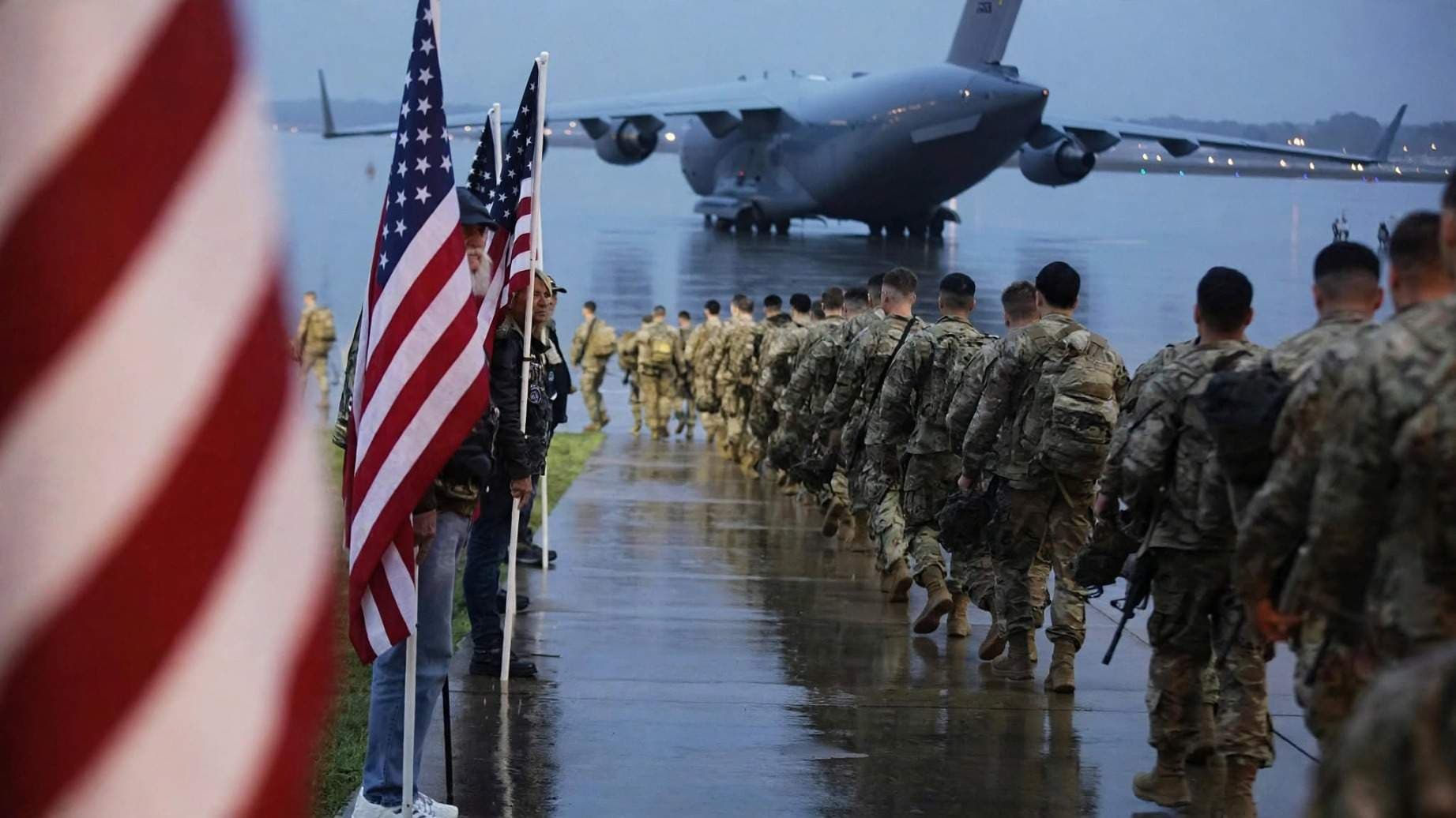
After 12 years, 2,500 American troops, and a war that once saw black flags flying over Mosul, America has officially clocked off in Iraq. On Wednesday, the Pentagon pulled the plug on Operation Inherent Resolve – and Baghdad threw a party. But not everyone is celebrating.
Why we Were There for 12 Years?
For anyone who didn’t live through the headlines in 2014, it was terrifyingly fast.
In June 2014, the Islamic State group – ISIS, ISIL, Daesh – stormed Mosul, Iraq’s second city. Within weeks it seized roughly a third of Iraq and huge swathes of Syria, declared a so-called caliphate, and unleashed massacres, beheadings, sexual slavery – most horrifically against Yazidi women and children.
At its peak, IS ruled over 8 million people and controlled oil, banks and arms depots.
The world scrambled. In September 2014, the US formed Operation Inherent Resolve. At its height, over 5,000 US troops plus thousands from the UK, France, Australia and others were on the ground as advisers, trainers and air power.
It worked, but not alone. The coalition did not defeat IS by itself. Kurdish Peshmerga held the line in the north, while on the ground, Iraq’s own security forces and the Popular Mobilisation Forces – which includes pro-Iran factions – did the brutal street-by-street fighting.
IS was declared territorially defeated in Iraq in December 2017 and in Syria in March 2019. But remnants kept launching insurgent attacks, hence why coalition troops stayed on as a safety net.
Talk to any Iraqi in their 30s and they’ve lived through it all – Saddam, the 2003 invasion, the sectarian civil war, then ISIS.
For a shopkeeper in Mosul, the coalition’s jets meant his city could be taken back from extremists who banned music and cigarettes. For a Yazidi mother in Sinjar, it meant rescue from enslavement.
Now, for many ordinary Iraqis, the withdrawal feels deeply personal. One young father in Baghdad told local media: “We want the foreigners gone, but we want our own guns gone too. We are tired of being someone else’s battlefield.”
That sums up the national mood – pride mixed with anxiety.
This is huge. Prime Minister Ali al-Zaidi, who took office this year with quiet US backing, hailed it as “a new phase… defined by Iraq’s sovereignty, the strength of its institutions, the readiness of its forces.” He has even declared 1st October as Sovereignty Day – “a national occasion that affirms the completion of Iraq’s path toward sovereignty.”
Baghdad’s logic is clever: For years, pro-Iran militias have justified keeping their heavy weapons by saying, “We need to resist the American occupiers.” Take away the occupiers, and you take away the excuse.
In a rare joint statement, Iraq’s executive, legislative and judicial chiefs said “the presence of weapons outside state authority must be addressed… in a manner that strengthens state sovereignty.”
But here’s the flip side everyone in the souk is whispering about: Will it embolden those very militias?
Groups like Kataeb Hezbollah have demanded full US withdrawal for years, hitting US bases with drones and rockets, drawing deadly US retaliatory strikes. While they called the exit “a start towards achieving full sovereignty,” they also warned: “A government that doesn’t work for the good of its people will be brought down by all possible means.”
With the Middle East war still raging after US-Israeli strikes on Iran, many fear Iraq could be dragged deeper into the Iran-America proxy fight – especially in Kurdistan where recent attacks on coalition troops intensified.
So, Is America Really Gone?
Not quite. Think “mission ends, relationship continues.”
The US had around 2,500 troops in Iraq before the drawdown. Formal combat operations under the coalition banner are over. What remains is a much smaller, bilateral advisory presence focused on intelligence sharing, counter-terrorism training and stopping IS from resurging. The State Department still has its massive embassy in Baghdad.
In short: No more coalition flag, but America isn’t leaving the chat.
What Happens Next?
1. The Disarmament Test Zaidi’s government set 30th September as an initial deadline for factions to hand over weapons to the state, then quietly dropped the deadline. Now it’s about “regulating” arms. Senior politicians are scrambling for a compromise. If it fails, Iraq risks armed standoff.
2. Sovereignty Day: Watch 1st October. How Baghdad celebrates it will signal whether this is genuine unity or political theatre.
3. The Security Vacuum Watch: All eyes on Diyala, Kirkuk and Anbar – old IS hideouts. Without US air cover and intel, can Iraqi forces prevent a comeback?
4. The Iran Factor: With militias demanding an end to “American political and economic interference” too, the next fight won’t be military – it will be over who really runs Iraq.
For a country that has had foreign boots on its soil almost continuously since 2003, this is a psychological turning point. Whether it becomes true independence or just a new chapter of militia power – that’s the question Iraqis are now asking.
Source: cbinews.tv
#Iraq #US #OperationInherentResolve #MiddleEast #ISIS #Baghdad #SovereigntyDay #Geopolitics #Kurdistan #Iran #CBINews